
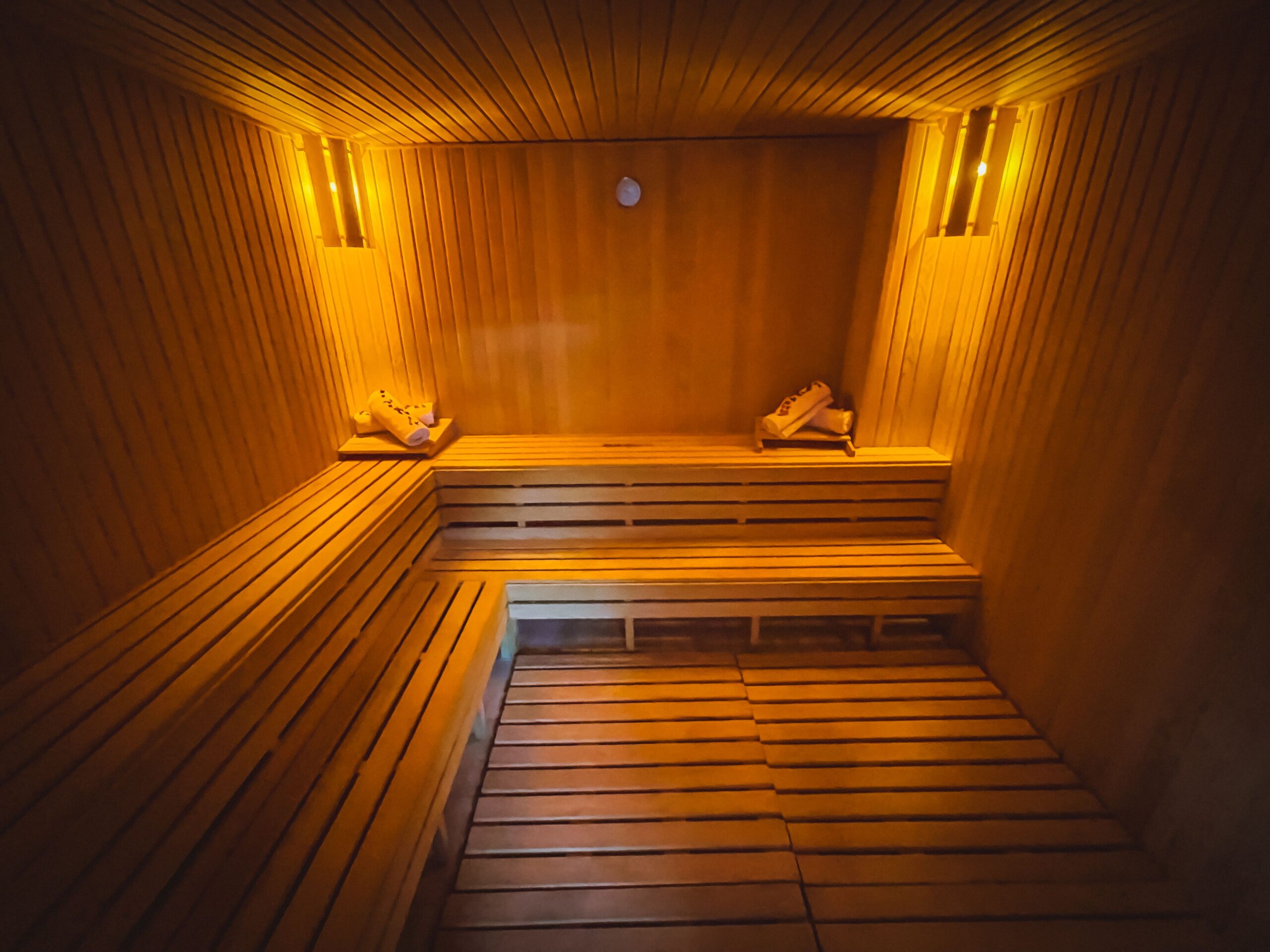
For millennia (7000 BCE), sauna bathing has been woven into Nordic culture as both a social ritual and a health tool. Modern research is now validating what sauna users have understood intuitively: when used properly, heat exposure can be a powerful form of hormetic stress (small controlled doses of stress that strengthen the body) which supports cardiovascular health, mood, recovery and longevity.
The Research
One of the most cited pieces of sauna research comes from Finland, where researchers followed more than 2300 middle aged men over many years. In the famous Finnish study, men who used the sauna 4-7 times per week had approximately a 40% lower risk of all-cause mortality compared with those who used it once per week. While this doesn’t prove causation, the relationship remained strong even after accounting for other lifestyle factors.
During a sauna session, heart rate commonly rises to 100-150 beats per minute, similar to moderate-intensity exercise. Blood vessels dilate, circulation improves, and cardiac output increases. While sauna is not a replacement for exercise, it appears to provide some of the same cardiovascular conditioning effects, particularly for blood vessel function.
Beyond the increase in heart rate that accounts for these benefits, scientists have found that heat exposure also produces helpful molecular chaperones called heat shock proteins (HSPs) in the body. HSPs are crucial in protein folding, stress defense and cell survival. In layman’s terms, these little helpers protect cells and support cellular recovery and resilience. An increase in heat shock proteins could correlate with improved longevity, reduced inflammation, enhanced muscle recovery and better protection against neurodegeneration and cellular aging.
Sauna use is also associated with improved mood and lower rates of depression. Researchers believe this may be related to increased endorphins, improved sleep quality, reduced inflammation, and activation of the parasympathetic nervous system during recovery from heat exposure. Finally, in the Finnish Kuopio studies, frequent sauna use was associated with a significantly lower risk of dementia and Alzheimer’s disease.
How Hot is Too Hot?
It is important to note that more heat is not always better. Finnish sauna temperatures in the range of approximately 176 to 200 degrees Fahrenheit with sessions of about 15-20 mins are considered the ideal therapeutic window to maximize benefits. Once the temperature goes above 200 degrees Fahrenheit, the risks outweigh the benefits, and you should never sauna alone above these temperatures.
Traditional vs Infrared Saunas
Infrared Saunas use infrared light waves to heat the body directly rather than the air around it and typically operate at lower temperatures than traditional Finnish saunas. While they can still raise body temperature and may provide benefits related to relaxation, pain reduction and recovery, most of the strongest longevity and cardiovascular research has been conducted using traditional Finnish saunas.
A traditional Finnish sauna uses a hot stove and stones to create intense ambient heat. A small amount of water ladled onto the stones creates a burst of hot humidity, and encourages more profuse sweating. This process is called löyly. Occasionally, birch, pine or eucalyptus oils are mixed into the water to create a pleasant and purifying aromatherapy experience. This is not common in public saunas, only in private home saunas, as the scents can be irritating to some bathers.
Dress (or Undress) for Success
Sauna bathing is best done in light, all natural materials NOT synthetic materials. So check your bathing/swim trunks and make sure they are all natural materials. If you need an upgrade, try these cotton shorts. Synthetic materials can leach toxic chemicals and microplastics in high heat situations. In many Finnish saunas, both public and private, nudity is the norm, with separate men’s and women’s saunas commonly available.
In fact, the wool sauna hat might be the only piece of clothing many Finns wear while sauna bathing. It looks a little silly, but the benefits are well worth it. Made from pure wool, or sometimes linen, the sauna hat protects the scalp and hair from overheating and drying out, in addition to creating a more pleasant sauna experience. The hat works to keep your scalp, hair and head cooler by creating a layer of thermal insulation. Be careful to avoid sauna hats made from synthetic materials, this brand is handmade and carefully sourced from pure wool.
For men – Is cooling your balls a thing?
There is newish data on the negative impact of regular sauna (2-3x per week), on reducing male sperm count (temporarily). To avoid this, your male organs need to be 3-5F cooler than your core body temperature. So if you are actively working on conceiving, you should consider upgrading to these shorts for your next sauna visit, or at least bring an ice pack or two!
Summary: Don’t Sweat the Small Stuff
Like many ancient practices that are now becoming mainstream, sauna bathing can easily become a “competitive sport” rather than a relaxing experience. While temperature and duration are certainly factors that affect the health benefits of heat exposure, it is important not to let perfection become the enemy of good. Frequency is more important than duration and temperature. When asked about the right temperature or length of a sauna session, most Finnish people will laugh and say that the point is to relax and enjoy the experience. Ultimately, the goal is to listen to your body, take a moment to escape the outside world, and let the stress melt away… one drop of sweat at a time.
Next Steps
If you are looking for a great place to enjoy a traditional sauna, then check out The Smart Fit Method in Kimball Junction. They have a great 10 person sauna, and specific recovery packages to enjoy, along with cold plunges and more.
Our next blog post will be on the popular trend of Ice Baths, so check back with us soon to get all the updates on how to get the most out of contrast therapy!
Authors
Ashley John Heather & Anna Laskowska
Medical Disclaimer:
Individuals with unstable cardiovascular disease, uncontrolled blood pressure, recent cardiac events, or those who are pregnant should consult their healthcare provider before beginning regular sauna use.